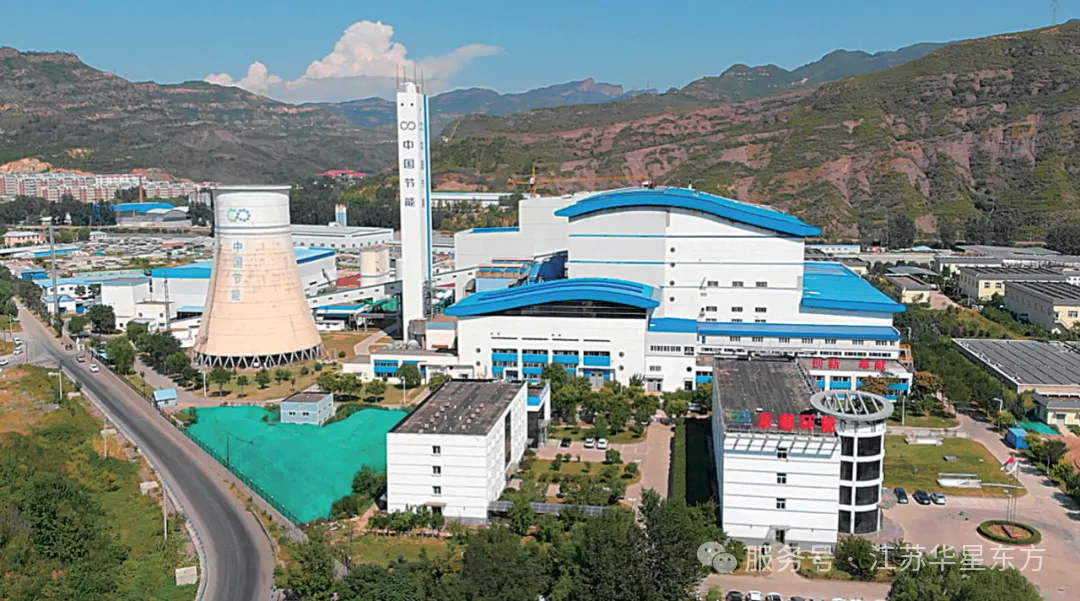
The FGC system upgrading for Units #3 & #4 of Chengde Huanneng Thermal Power Co., Ltd. in Hebei Province—constructed by HEPT—has successfully passed the 72+24-hour full-load trial operation
2026.01.27
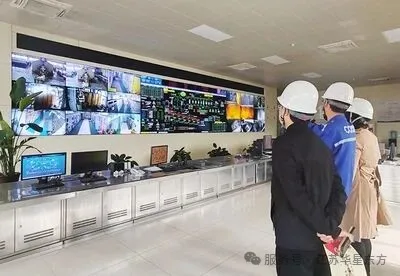
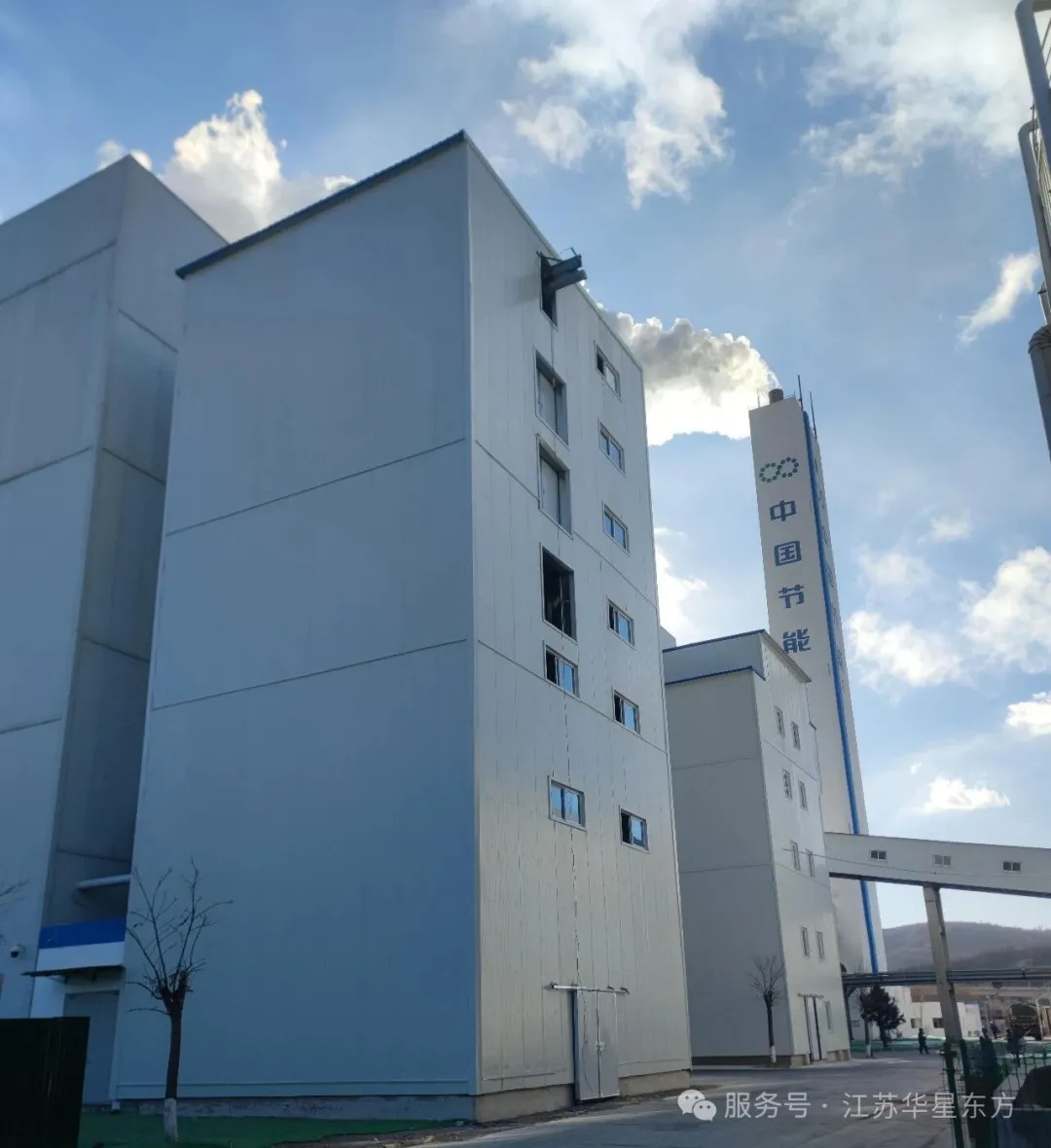
The FGC system upgrading for Units #3 & #4 of Chengde Huanneng Thermal Power Co., Ltd. in Hebei Province—constructed by HEPT—has successfully passed the 72+24-hour full-load trial operation since 22nd.Aug 2025.
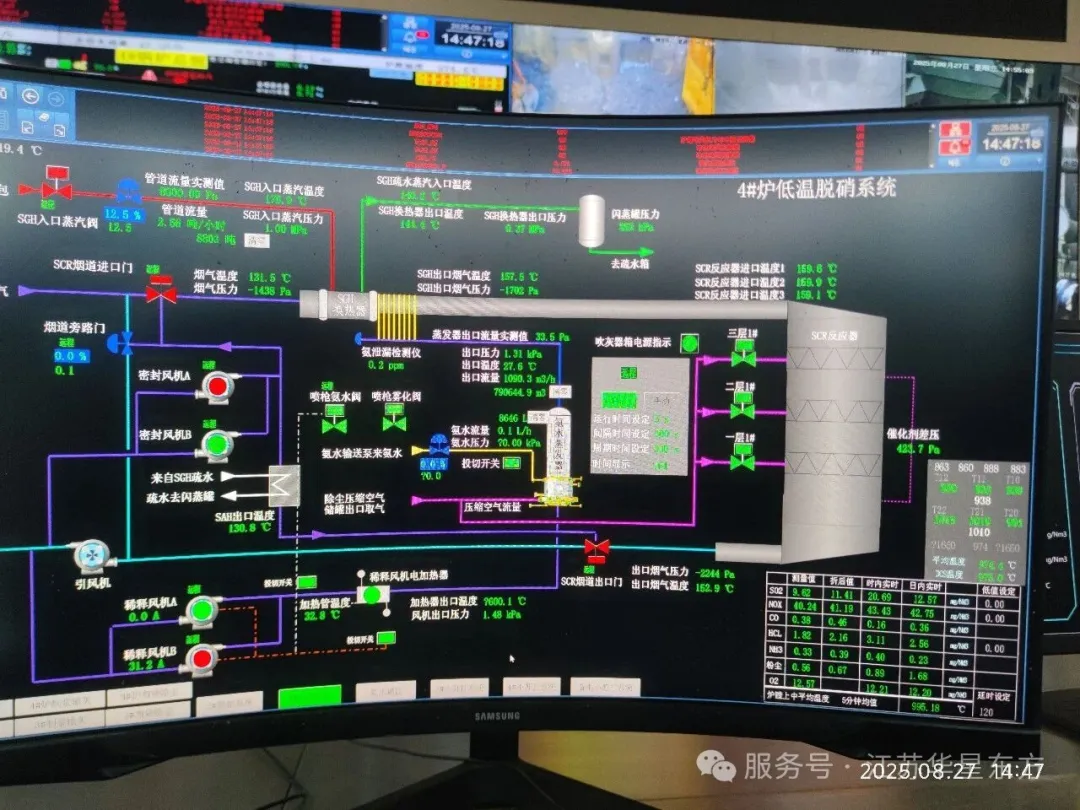
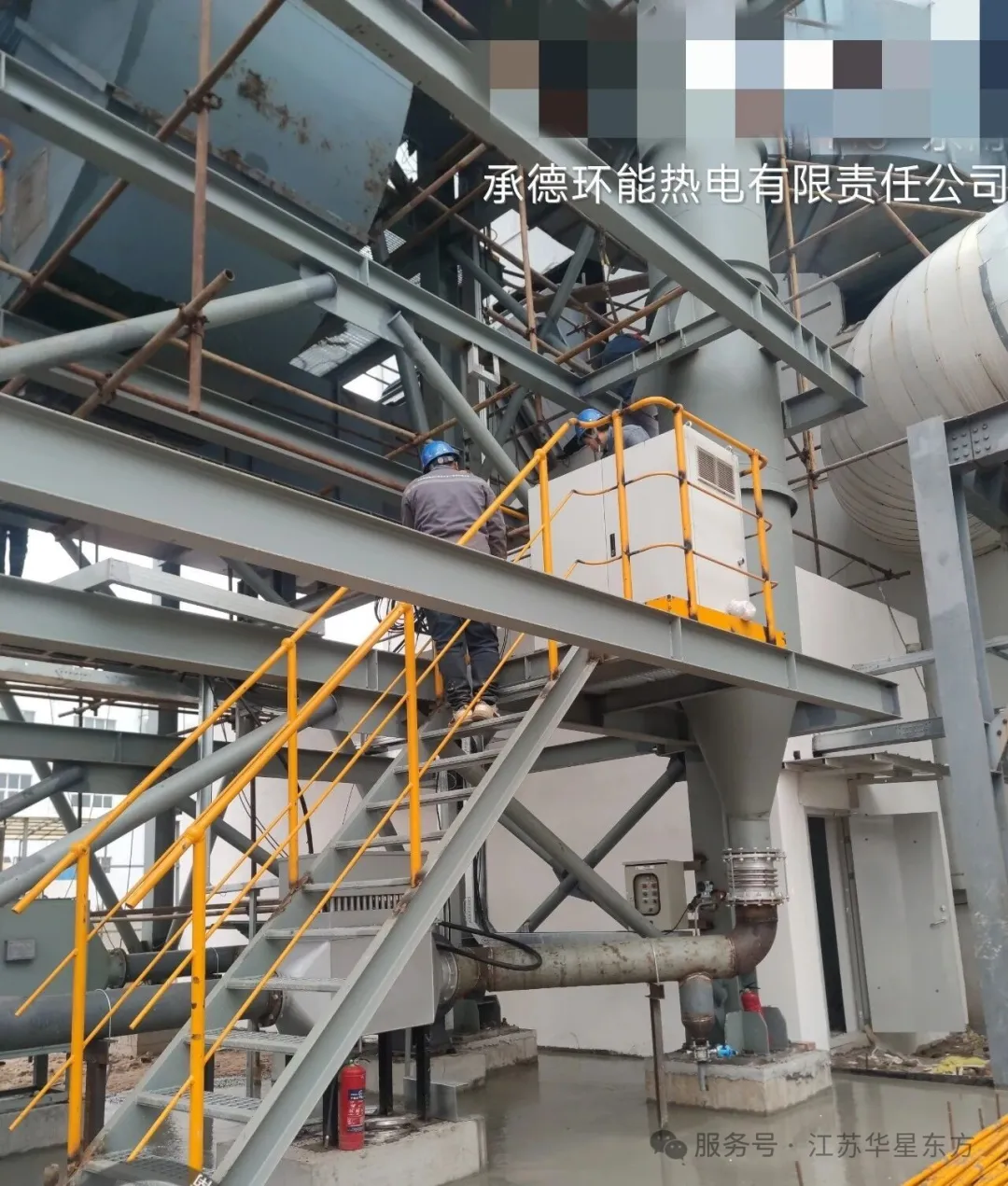
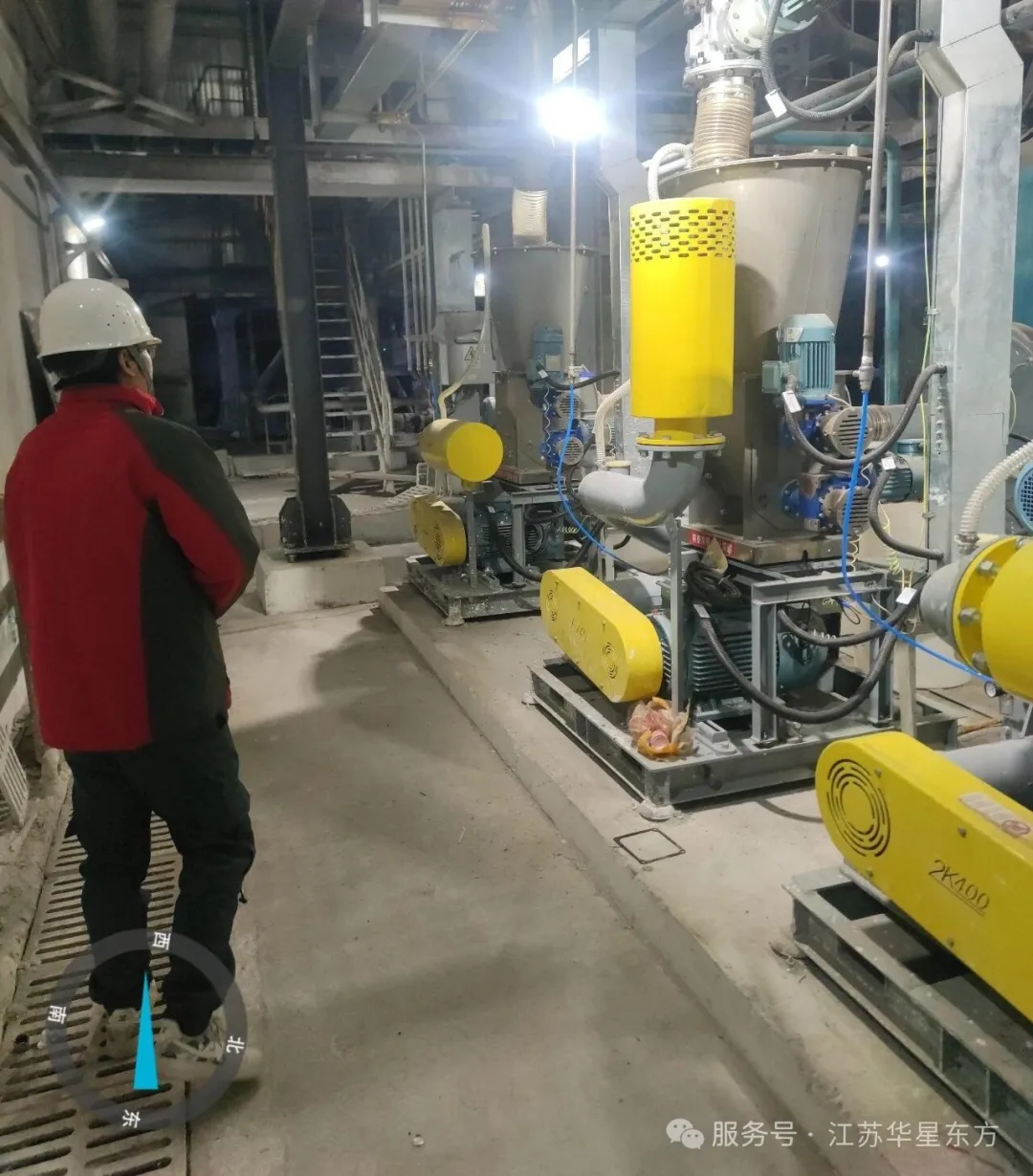
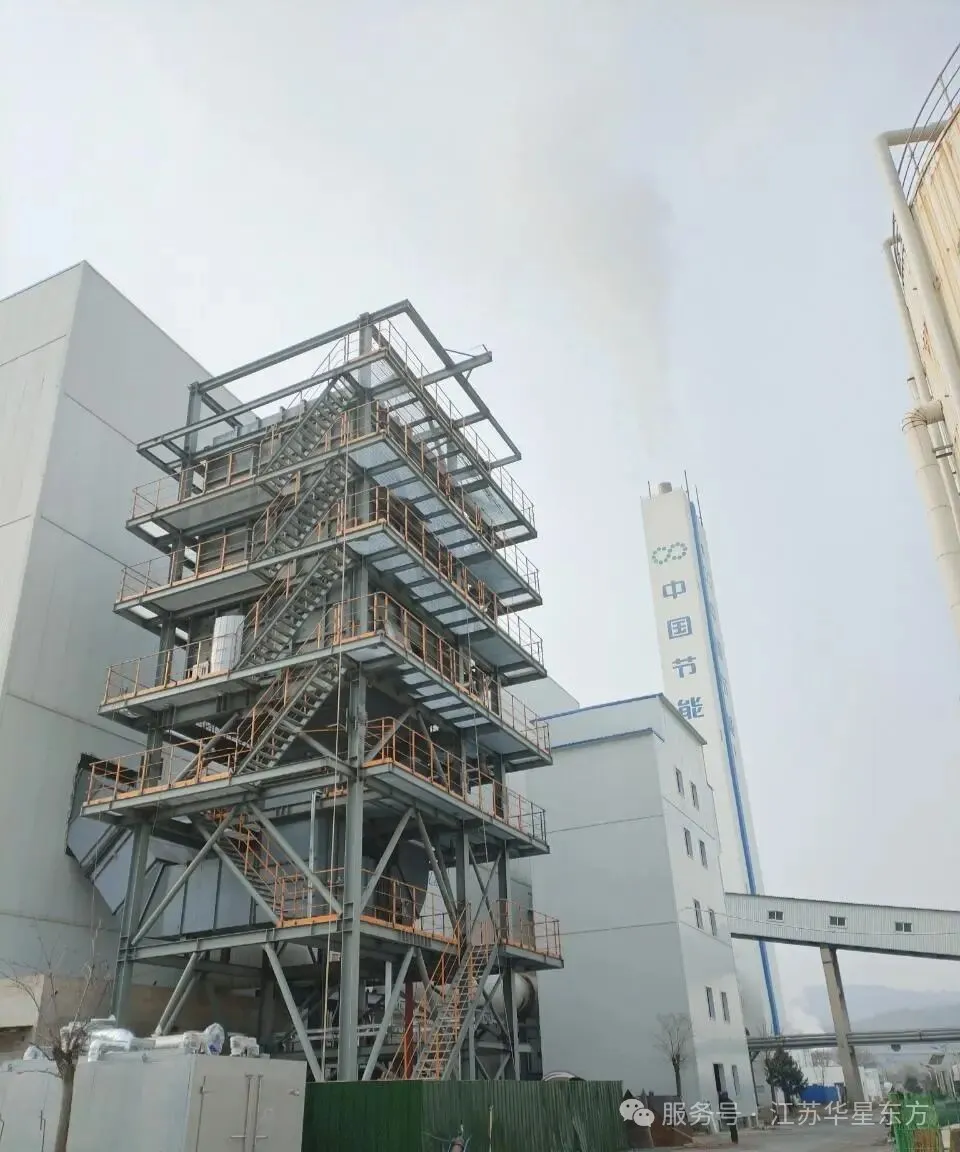
The scope of this flue-gas denitration system upgrade for the waste incineration lines covers the design, system integration, fabrication and optimization of: a low-temperature SCR denitration system (SGH + SCR) + catalyst for Unit #4 of the 2×500 t/d waste-to-energy plant and a sodium-bicarbonate dry deacidification system (SDS) for Units #3 and #4. It also includes the design, installation and modification of the induced-draft fan for Unit #4.
During the uninterrupted 72+24-hour full-load trial, the project demonstrated the striking advantages of HEPT’s upgraded low-temperature SCR denitration system: boosts activity in the 120–180 °C window and reduces NH? slip by over 90 %; optimized shaping gives the catalyst more uniform pores and better sulfur tolerance, extending service life and shortening outage time. NOx at the stack was steadily held at 35–45 mg/Nm3, well below the 50 mg/Nm3 design limit; NH? slip was as low as 0.1–0.8 mg/Nm3, far under the 8 mg/Nm3 cap; steam consumption dropped by more than 40 % compared with conventional systems, cutting annual operating costs by about CNY 3.5 million (steam priced at CNY 120/t). This achievement stems from HEPT’s over twenty years of technical expertise in the environmental field and its breakthroughs in low-temperature denitration systems. Building on MHIEC’ advanced technology, the company has carried out hundreds of adaptation experiments and over ten generations of technical iterations, continuously optimizing catalyst formulations and reactor structures. The result is a low-temperature denitration solution better suited to China’s complex climate, diverse fuel characteristics and stringent emission standards. The R&D team is now validating 150 °C ultra-low-temperature operation and developing an intelligent aqueous-ammonia spray control system. Up-front CFD modelling of the flow field will enable precise NH? injection and distribution, creating a closed loop of "accurate spraying–efficient conversion–zero slip", expected to cut ammonia consumption by a further 10–15 %. This retrofit package not only solves the three industry pain points of conventional SCR—"low-temperature efficiency decay, high ammonia consumption, excessive slip"—but also builds a full-chain cost-optimization model covering design, manufacture and O&M. Coupled with the world-class grate furnace and proven gas-cleaning technologies adopted in the project, it achieves the dual goals of "harmless treatment + resource utilization" for waste-to-energy: waste is converted into electricity while emissions are kept ultra-low. The solution thus helps improve the ecological environment and air quality in Hebei, aligns perfectly with China’s "dual-carbon" strategy and green industrial transformation, and delivers the dual value of "compliance + cost reduction" for customers.
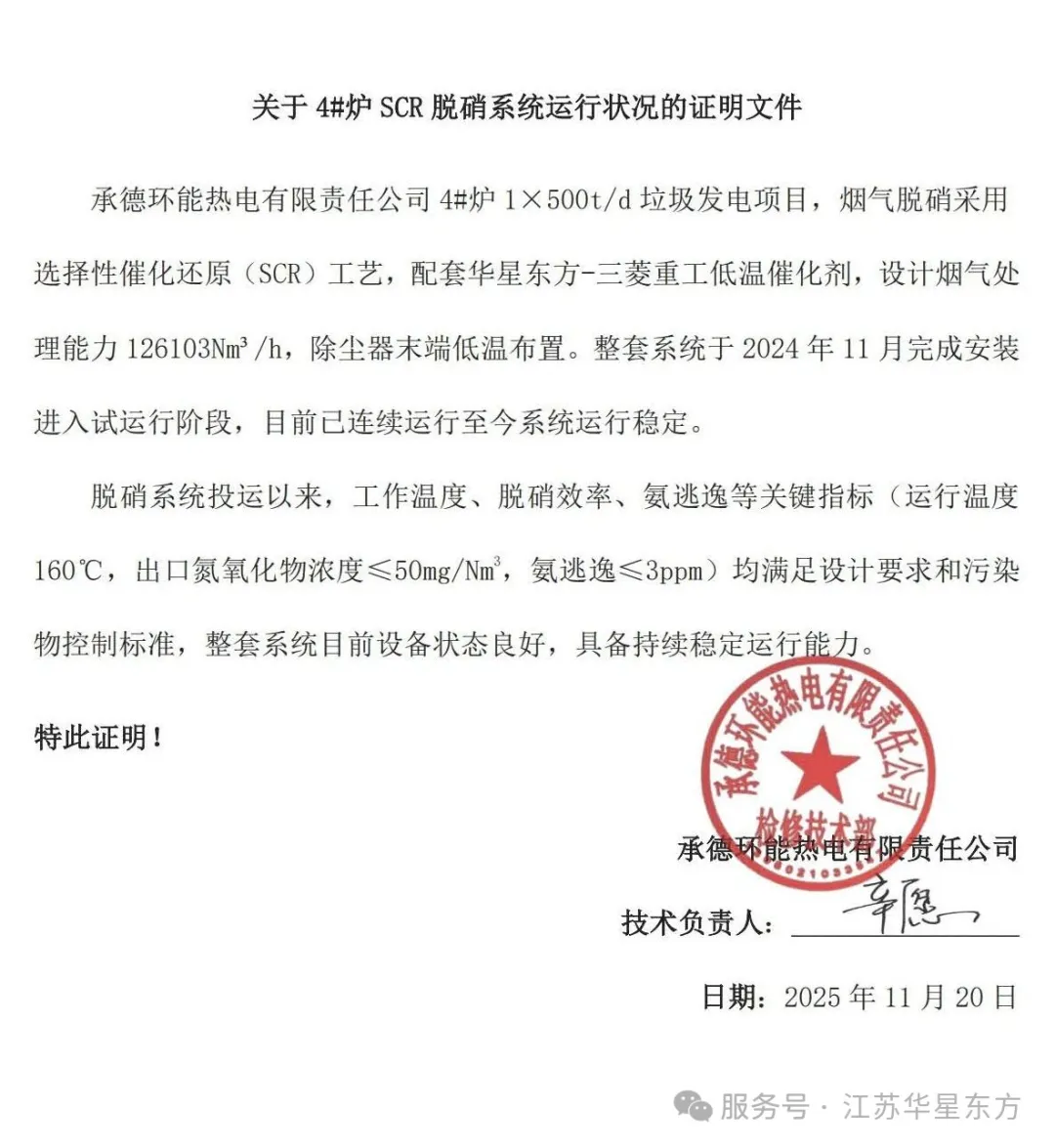
Since the completion of installation and the commencement of trial operation in November 2024, the FGC system upgrade for Units #3 and #4 of Chengde Huanneng Thermal Power Co., Ltd. has been running continuously and stably for over one year. The project adopts HEPT’s selective catalytic reduction (SCR) process, equipped with introduced & optimized MHIEC’s low-temperature catalysts. At present, the system is in good operating condition, with core parameters such as working temperature, denitration efficiency, and ammonia slip remaining stable and compliant, demonstrating sustained and reliable operation. This outcome verifies the reliability and high efficiency of HEPT’s low-temperature denitration system under low-temperature working conditions.
HEPT’s track record in Hebei Province covers an extensive portfolio of projects, including: Baoding Phase I & II, Hengshui and Hengshui-Anping, Dingzhou, Cangzhou Phase I, Shijiazhuang, Shijiazhuang Xianengxin, and Shijiazhuang Xingtang, Tangshan Caofeidian, Luanzhou, Fengrun, Jiecheng, Qian’an, Chengde Weichang, Baoding Shunping, Tangshan Phases I & II, Chengde-Zhangjiakou North, Langfang Gu’an, Xianghe, Sanhe, Xingtai Shahe, Weixian, Julu, Handan Weixian, etc.